The APQC Blog
All Posts
Social links

Strategy and Flexibility Will Make Your KM Team Better at Change Management
 “The only constant in life is change”—coined by Greek philosopher Heraclitus 2500 years ago—is one of those sayings that feels progressively more true. From mergers and acquisitions to reorgs and big technology projects, it seems like we’re always in the midst of a “transformational” shift that sucks up the organization’s collective bandwidth and emotional energy.

4 Things Everyone Should be Using a Process Framework for
Last month, we talked about the most important factors to consider when picking a framework. Now that we’ve discussed how to choose a framework, let’s look at some of the ways in which every organization should be using a process framework.

What are the Best Knowledge Management Principles in 2019?
2019 is shaping up to be a pivotal year for KM. Organizations large and small, across industries and around the world, are engaging in digital transformation. They’re making significant investments in new technologies, many of which will uproot old workways and IT infrastructures. In this transformative moment, knowledge managers need to recognize three important principles: change is a constant, your north star is the business, and adaptability is key to survival.
Change, Change, and More Change

Where Does Good Process Management Start? Consistency
APQC asked process management experts about what great process organizations have in common and why bad ones struggle with process documentation. These experts will be speaking at APQC’s Process & Performance Management Conference October 3-4 in the “Managing & Improving Processes” breakout session tracks.
Participating experts:

Why You Need Process For Digital Transformation
I recently spoke with Kevin De Pree, vice-president of Rand Group, to discuss why organizations are diving into digital, the common challenges related to digital transformations, and ways to help overcome institutional barriers that stymie so many digital efforts.
What are the catalysts that start organizations on their digital transformation journey?

How GE Digital Changed Its Approach to Talent Management
Digital success hinges not just on how an organization leverages technology, but also on how the organization approaches talent management. This is what we are finding as we explore the role that HR and workers play in digital transformation.


5 Reasons Why Knowledge Management Is Moving to the Cloud
 The adoption of cloud platforms is one of the biggest trends in knowledge management, with nearly half of APQC’s KM audience in the process of migrating this year. The transition to cloud-based KM has its challenges, including fewer opportunities for customization and the need to reorient users’ mindsets.
Great Leadership Quotes on Transforming FP&A and Performance Management
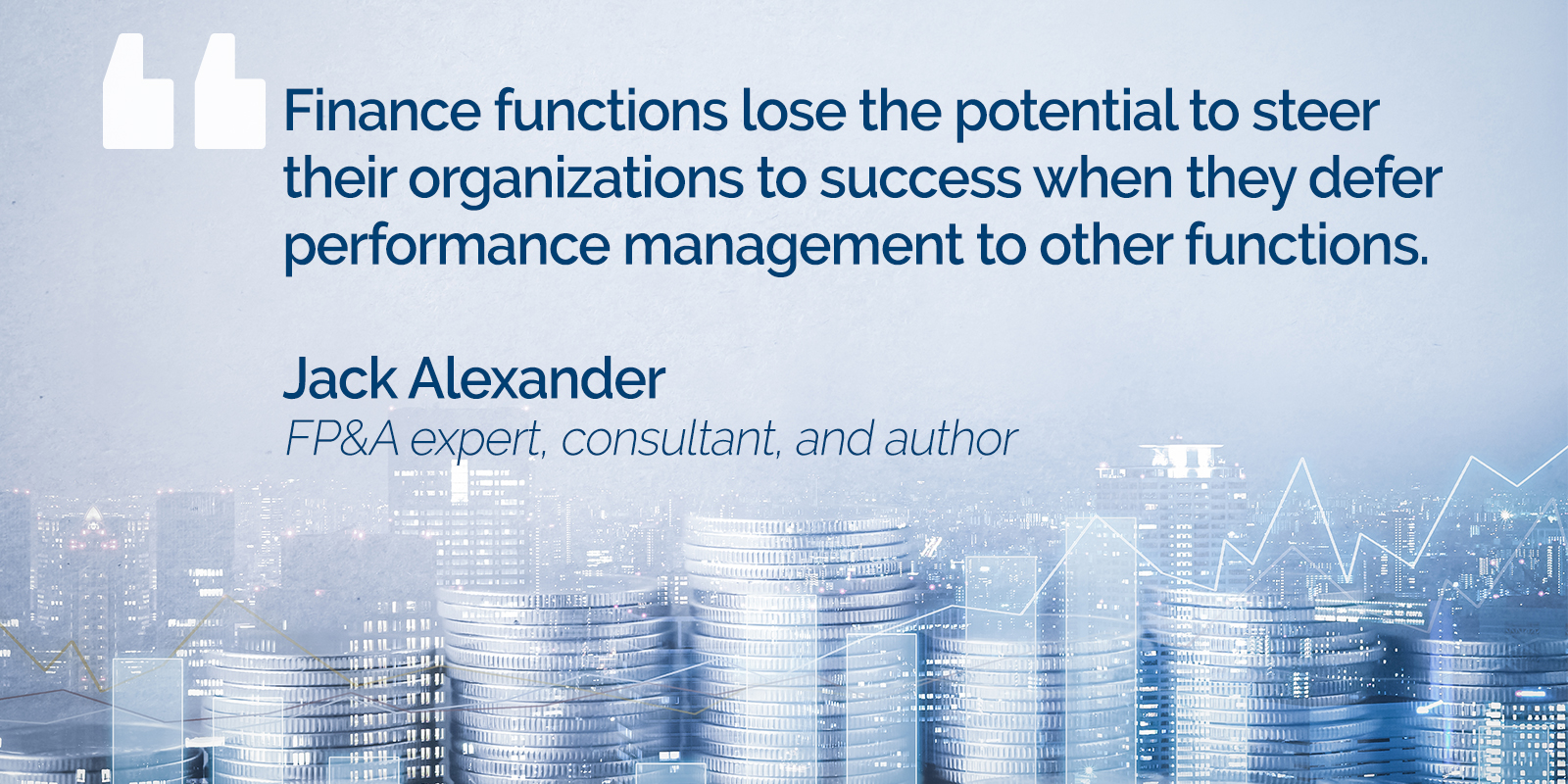 As part of our mission as a nonprofit to find and disseminate best practices information, one of the most fascinating parts of my job as the principal research lead for financial management at APQC is all of the amazing thought leaders that I get to speak with and interview.
How to Make New Technology Improve Your Process and Not Ruin It
APQC asked process experts about the new technology poised to have the greatest impact on process improvement and performance. Including the struggles of adopting new technologies and how not to fail at automation. These experts will be speaking at APQC’s Process & Performance Management Conference October 3-4 in the Optimizing Data & Digitalization breakout session track.
Process experts: