The APQC Blog
All Posts
Social links
Long Awaited PCF Updates Have Arrived
It’s time to update the Process Classification Framework® (PCF)! As the steward of the world’s most frequently downloaded process framework – with over 100,000 downloads a year – APQC is accountable to you, the process framework consuming public to keep the PCF up to date. This year’s changes are very exciting – at least to framework geeks like me.
Engaging the Organization in Advanced Quality Planning
I recently able to speak with Juan Loera, quality manager at MasterTag, about the basic tools used to support advanced quality planning (AQP) and how to engage the organization so quality efforts meet customer needs.
Juan will be speaking on our free webinar on October 22 at 11:00 a.m. CDT: Advanced Quality Planning - How Far in Advance, and Who Should Join the Party
In your experience what aspect of AQP do most organizations struggle with?
Can Countries Coordinate Currency Policies & Achieve Economic Success?
In today’s globalized economic environment, government action on macroeconomic policy can have a significant impact on business activity. Interest rates, trade policy, and currency exchange rates are but a few areas in which a central government can make changes to improve the overall business climate. In commemoration of the thirtieth anniversary of the Plaza Accord, Rice University’s Baker Institute of Public Policy recently held a conference to examine the impact of the agreement on macroeconomic policy and lessons learned.
3 Biggest Struggles PCF Users Have
APQC’s Process Classification Framework® (PCF) is the best tool to standardize the language of your process steps, enabling you to accelerate your organization’s ability to:
Apply Logistics Practices to Help Stop Hunger
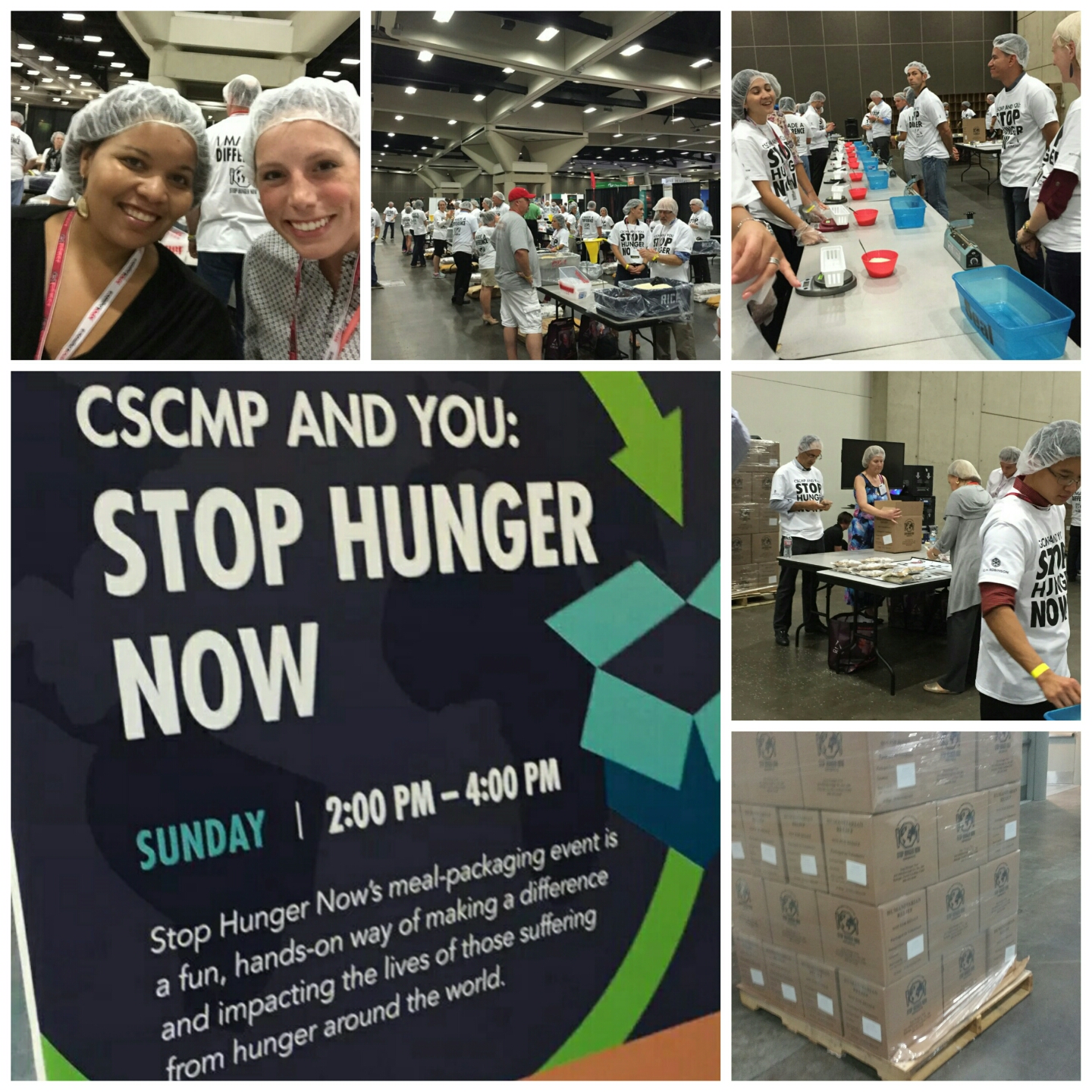 An increasing number of organizations are using logistics processes and practices to help carry out humanitarian efforts.
How Different is Procurement in Service and Manufacturing Organizations?
In September APQC conducted a survey to provide a better understanding of how some proposed structural changes, specifically centered on the procurement and products and service delivery sections, to APQC's Process Classification Framework® (PCF) would affect its end users. This infographic looks at findings, specifically the differences between procurement in manufacturing and service organizations.
Enhancing Logistics Operations in Upstream Oil & Gas
Corey Vickers, Logistics Category Manager at Chevron, previews his 2015 APQC Process Conference breakout session on the use of the LDSS solution. Chevron has been able to improve coordination and gain efficiencies resulting in tens of millions of dollars of reduced costs, and gain enterprise-wide buy-in from multiple stakeholder groups to standardize processes.
3 Ways to Improve Manufacturing
What is the key to improving an organization’s manufacturing activities? My colleague Andrea Stroud and I recently spoke on a webinar focused on the steps organizations can take to assess the current state of their manufacturing processes and identify areas for improvement.
Creating a Culture Shift through Knowledge and Process Management
When a large organization rapidly grows through acquisition, it acquires more than a new book of business. It also acquires the many processes each newly acquired company has been using to do its work. Very often, these processes are different from the way the parent company has always done things, leading to inconsistencies, inefficiency, and confusion. Standardizing processes across a growing organization is a tough challenge, but when accomplished with the right framework and approach, the benefits can be tremendous.
‘The Martian’s’ Andy Weir on premortem planning for a manned NASA mission to Mars
Like many of you, as the weather cools and the summer fades, APQC is knee-deep in strategic planning. Since APQC has access to many best practices, we try to follow them. One is to conduct a premortem on planned investments, a technique borrowed from project planning, in which one attempts to imagine what could go wrong and decide how to avoid or mitigate those risks. Doesn’t this go against the socially acceptable stance of being an optimist?