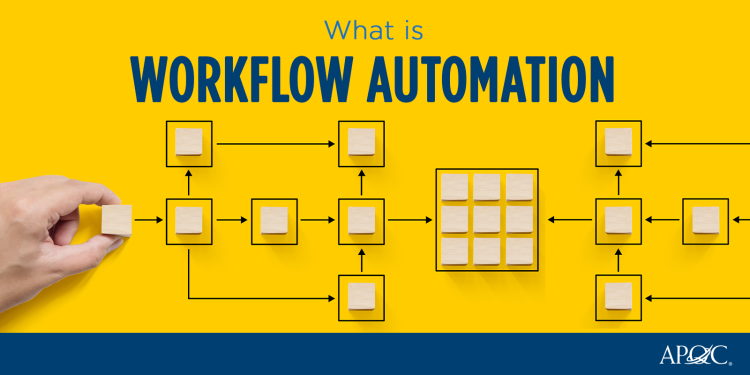
Workflow automation focuses on the tasks within a specific process itself.
Think about it this way – business process automation is the overall automation for the enterprise versus workflow automation is the automation for an individual process, kind of like end-to-end processes vs a functional process. Workflow automation looks at tasks within a specific process and business process automation, or process automation, looks at the process from an end-to-end perspective.
Based on our recent survey, 41% of organizations are also focused on intelligent automation, which looks at how tools or technologies can enable the organization to perform business tasks or solve business problems. When looking at what organizations should automate, they consider the following top three criteria:
- Potential cost savings
- Potential improvement to customer satisfaction
- Complexity of the process
Digital tools and technology may seem like the “shiny new toy” right now; however, in many recent conversations with members, automation, AI, and digital, have begun to come up time and time again. Not all organizations are currently investing in or executing digital/automation projects, but they plan to in the near future! According to our research, 42% are not making investments in AI for process management today; however, 79% of organizations feel that there will be an increase in investment in the next 12-18 months.
Regardless of what type of digital tool, technology, or automation you plan to implement or invest in, nearly half (47%) of the organizations we surveyed are most often met with the challenge of “processes not being documented and/or standardized”. Here is how APQC suggests organizations set themselves up for success:
- Utilize APQC’s Seven Tenets of Process ManagementSM as a foundation for your process management program.
- Ensure you train your employees on the skills necessary for digital tools and technologies – process management, change management, and data management.
Last, but not least, don’t forget to ensure you truly understand the business needs for implementing the new tool, technology, or automation, and be sure to align it to your organization’s strategic initiatives.
Learn more about our recent digital tools and technologies in our content collection, Digital and Its Role in Process.