Your brain is the most powerful knowledge management tool you have. Yet you may know more about designing a community of practice than capitalizing on how your brain works. Your brain is worth understanding if you are into KM: it’s the original information processer; the unrivaled content curator; and the source of inspiration, motivation, and collaboration.
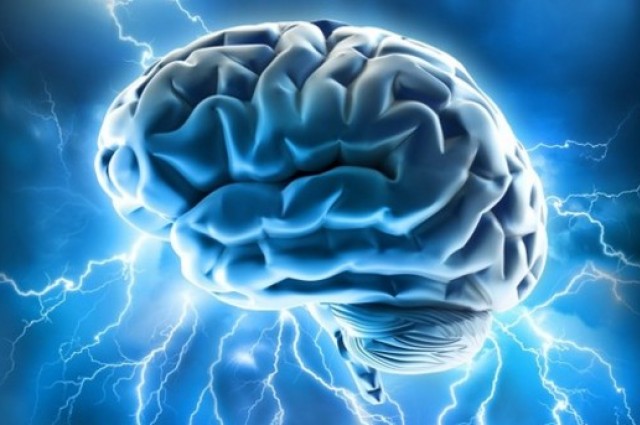 There is a lot of unscientific bunk in popular culture about how our brains work. For example, the idea that some of us are left brainers and some are right brainers may be a nice metaphor but it is scientific hogwash. Normal, healthy people use both sides of the brain all the time.
A related myth is that we only use 10 percent of our brainpower. In fact, the adult brain is hosting an electric firestorm most of the time: it burns up to 20 percent of your calories even though it isn’t a muscle and only weighs about 3 pounds (1,300–1,400 g) or 2 percent of body weight if you weigh 150 pounds[1]. And it is just as active when you are asleep, albeit firing differently.
To get the straight scoop, I spoke with Dr. John Medina, a neuroscientist in Vancouver with a lifelong fascination with how the mind reacts to and organizes information. He too got tired of all the misconceptions and decided to codify the 12 brain rules that everyone should know.
A few of John’s twelve brain rules are personal, such as getting enough sleep and exercise to make yourself vastly more intelligent. You would be shocked at how much sleep matters. Pulling heroic all-nighters is for college students, not savvy professionals.
I was interested in the brain rules relevant to designing KM programs to be engaging and productive. For example, one of John’s rules: We don’t pay attention to boring things. Or pretty much anything after about 10 minutes unless you spice it up. Imagine the implications of that for speakers, videos, and lessons learned sessions.
Here’s another one of John’s rules: Vision trumps all other senses. No wonder pictures and graphs are often easier to comprehend than data tables and text. And moving pictures trump static ones.
For those of you designing taxonomies and search engines to give people just what they asked for and no more, keep in mind the tradeoff with another of John’s brain rules: We are powerful and natural explorers. We may want people to see the adjacencies so they can make innovative connections.
To hear more about the brain rules for KM, Dr. John Medina will be keynoting at APQC’s 2016 Knowledge Management Conference. Join us there: you’re going to need all the brain power you can muster to thrive in the era of Cognitive Computing on the horizon for KM.
Check out the rest of my Big Thinkers, Big Ideas interviews on APQC’s Knowledge Base.
Subscribe to the Big Thinkers, Big Ideas podcast on Itunes or on APQCPodcasts on Podbean.
You can connect with me on Twitter @odell_carla