Number of payables invoices processed per $1 million revenue

This measure calculates number of payables invoices processed per $1 million revenue. An invoice is a bill prepared by a seller of goods or services and submitted to the buyer, generally, containing all pertinent information about the transaction including the date, price, quantity, item number, and credit terms. An invoice can be in either electronic or hard copy form. This Supplemental Information measure is intended to help companies evaluate additional variables related to the process "Process accounts payable".

Benchmark Data

Lock

Sorry! Not all users have access to all our resources. If you are not logged into your APQC account, please log in and try accessing again

Not a member yet? Members have access to all of our resources.

Learn about Membership Arrow with stem

Measure Category:
Supplemental Information
Measure ID:
107207
Total Sample Size:
6,738 All Companies
Performers:
25th Median 75th
- 91.2 -
Key Performance Indicator:
No

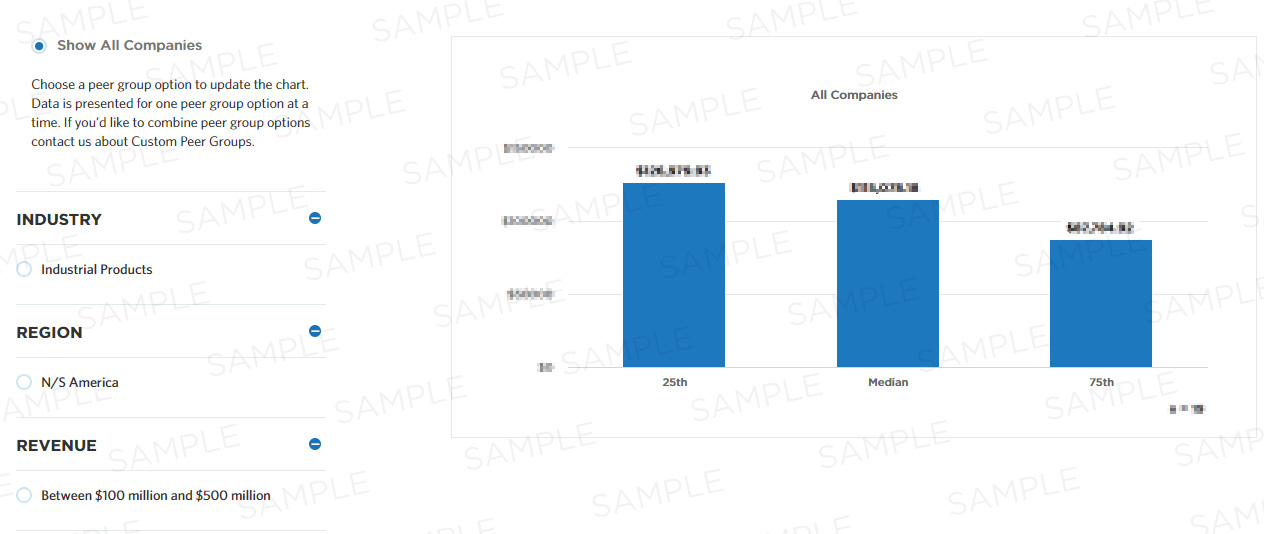
Sample image showing interactive filters for more detailed measure peer group data and an interactive graph.

Compute this Measure

Units for this measure are invoices processed.

Back to Top

Number of invoices processed/(Total business entity revenue*0.000001)

Key Terms

Back to Top

Total annual revenue is net proceeds generated from the sale of products or services. This should reflect the selling price less any allowances such as quantity, discounts, rebates and returns. If your business entity is a support unit and therefore does not directly generate revenue, then provide the revenue amount for the units you support. For government/non-profit organizations, please use your non-pass-through budget. For insurance companies the total annual revenue is the total amount of direct written premiums, excluding net investment income. Note: Business entity revenue needs to only include inter-company business segment revenue when the transactions between those business segments are intended to reflect an arm's length transfer price and would therefore meet the regulatory requirements for external revenue reporting.

Supplemental information is data that APQC determines is relevant to decision support for a specific process, but does not fit into the other measure categories such as cost effectiveness, cycle time, or staff productivity.

Measure Scope

Back to Top

Cross Industry (8.0)

  • 9.6.1.1 - Verify AP pay file with purchase order vendor master file (10869) - Matching records of bills to be paid with accounts. Check accounts payable entries with vendor's account for every payment made.
  • 9.6.1.2 - Maintain/Manage electronic commerce (10870) - Tracking all online transactions.
  • 9.6.1.3 - Audit invoices and key data in AP system (10871) - Monitoring and evaluating bills registered in accounts books. Check all invoices. Maintain records.
  • 9.6.1.4 - Approve payments (10872) - Processing payments for products/services.
  • 9.6.1.5 - Process financial accruals and reversals (10873) - Handling transactions for accruals and reversals. Record transactions in the books of accounts on an accrual basis (irrespective of the actual cash flow) and reversals basis (cancel out the adjusting entries) for balancing accounts.
  • 9.6.1.6 - Process payables taxes (10874) - Filing the amount of taxes that a company owes as of the balance sheet date. Prepare tax returns, including the income tax filing for an individual or business entity from earnings.
  • 9.6.1.7 - Research/Resolve payable exceptions (10875) - Resolving any atypical or inconsistent situation concerning payments to be made by the organization. Address any exceptional case of accounts payable on an ad hoc basis, by seeking counsel or carrying out any necessary research.
  • 9.6.1.8 - Process payments (10876) - Making payments for products/services on due dates (payment cycle) decided by parties involved.
  • 9.6.1.9 - Respond to AP inquiries (10877) - Clarifying or address queries relating to the particulars of AP such as date, discounts, amount, and installments. Coordinate with concerned parties about the fulfillment of bills payable.
  • 9.6.1.10 - Retain records (10878) - Keeping bills of every transaction for future reference.
  • 9.6.1.11 - Adjust accounting records (10879) - Rectifying for alterations occurred in accounts while recording.