Percentage of invoice line items which are manually keyed into the financial system

This measure calculates the percentage of invoice line items that are manually keyed into the financial system. An invoice line item is a single entry on an invoice. For example, an invoice for 10 red books at $1.00 each, and 20 blue books at $3.00 each, would be considered to have two invoice line items. This measure is part of a set of Process Efficiency measures that help companies optimize their "process accounts payable (AP)" process by minimizing waste and refining resource consumption.

Benchmark Data

Lock

Sorry! Not all users have access to all our resources. If you are not logged into your APQC account, please log in and try accessing again

Not a member yet? Members have access to all of our resources.

Learn about Membership Arrow with stem

Measure Category:
Process Efficiency
Measure ID:
102164
Total Sample Size:
2,044 All Companies
Performers:
25th Median 75th
- 50.0% -
Key Performance Indicator:
No

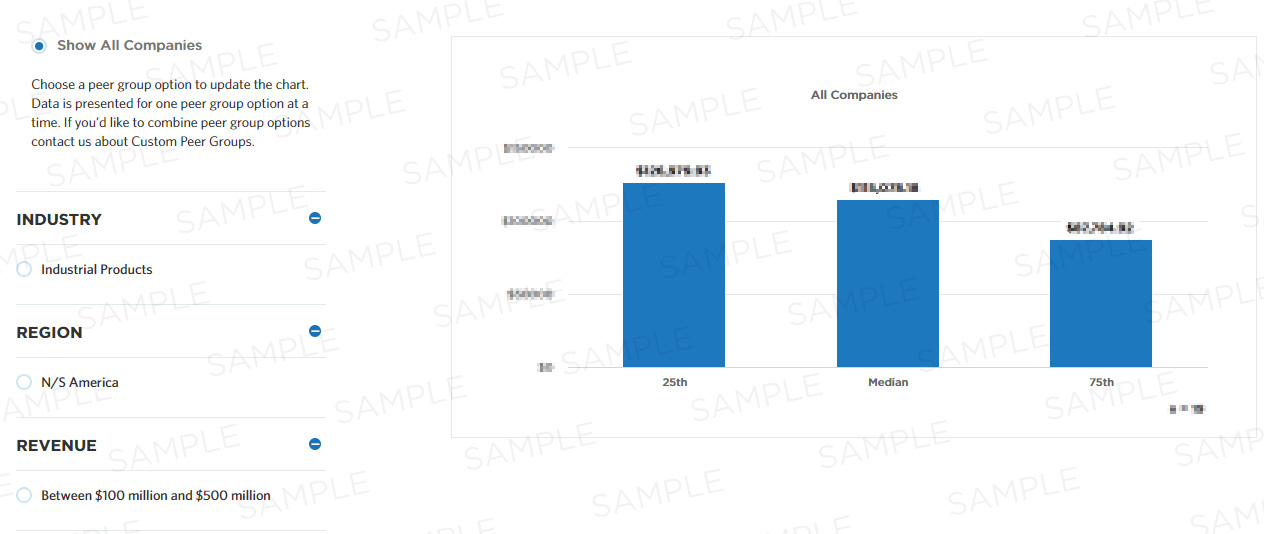
Sample image showing interactive filters for more detailed measure peer group data and an interactive graph.

Compute this Measure

Units for this measure are percent.

Back to Top

Percentage of invoice line items that is entered into the financial system by manual keying

Key Terms

Back to Top

A document (invoice, purchase order, etc.) is considered to be manually keyed when the applicable information is typed into the computer system by an employee.

An invoice is a bill prepared by a seller of goods or services and submitted to the buyer. Generally, an invoice contains all pertinent information about the transaction including the date, price, quantity, item number, and credit terms. An invoice can be in either electronic or hard copy form.

Process efficiency represents how well a process converts its inputs into outputs. A process that converts 100% of the inputs into outputs without waste is more efficient than one that converts a similar amount of inputs into fewer outputs.

Measure Scope

Back to Top

Cross Industry (8.0)

  • 9.6.1.1 - Verify AP pay file with purchase order vendor master file (10869) - Matching records of bills to be paid with accounts. Check accounts payable entries with vendor's account for every payment made.
  • 9.6.1.2 - Maintain/Manage electronic commerce (10870) - Tracking all online transactions.
  • 9.6.1.3 - Audit invoices and key data in AP system (10871) - Monitoring and evaluating bills registered in accounts books. Check all invoices. Maintain records.
  • 9.6.1.4 - Approve payments (10872) - Processing payments for products/services.
  • 9.6.1.5 - Process financial accruals and reversals (10873) - Handling transactions for accruals and reversals. Record transactions in the books of accounts on an accrual basis (irrespective of the actual cash flow) and reversals basis (cancel out the adjusting entries) for balancing accounts.
  • 9.6.1.6 - Process payables taxes (10874) - Filing the amount of taxes that a company owes as of the balance sheet date. Prepare tax returns, including the income tax filing for an individual or business entity from earnings.
  • 9.6.1.7 - Research/Resolve payable exceptions (10875) - Resolving any atypical or inconsistent situation concerning payments to be made by the organization. Address any exceptional case of accounts payable on an ad hoc basis, by seeking counsel or carrying out any necessary research.
  • 9.6.1.8 - Process payments (10876) - Making payments for products/services on due dates (payment cycle) decided by parties involved.
  • 9.6.1.9 - Respond to AP inquiries (10877) - Clarifying or address queries relating to the particulars of AP such as date, discounts, amount, and installments. Coordinate with concerned parties about the fulfillment of bills payable.
  • 9.6.1.10 - Retain records (10878) - Keeping bills of every transaction for future reference.
  • 9.6.1.11 - Adjust accounting records (10879) - Rectifying for alterations occurred in accounts while recording.