Cross-sell/up-sell close rate

This measure calculates percentage of inbound contacts that completed an additional cross-sell or up-sell. Inbound contact refers to any query (related to sales, information, technical support,customer service, or complaints) that is initiated by the customer. Cross-selling is a sales technique where the seller will offer opportunities to purchase complementary options, products or services, designed to create a larger sale. Up-selling is a sales technique where the seller will offer opportunities to purchase similar, but higher quality and priced options, products or services, designed to create a larger sale. This Process Efficiency measure is intended to help companies minimize waste and refine resource consumption related to the process "Manage sales orders".

Benchmark Data

Lock

Sorry! Not all users have access to all our resources. If you are not logged into your APQC account, please log in and try accessing again

Not a member yet? Members have access to all of our resources.

Learn about Membership Arrow with stem

Measure Category:
Process Efficiency
Measure ID:
104640
Total Sample Size:
2,708 All Companies
Performers:
25th Median 75th
- 10.0% -
Key Performance Indicator:
Yes

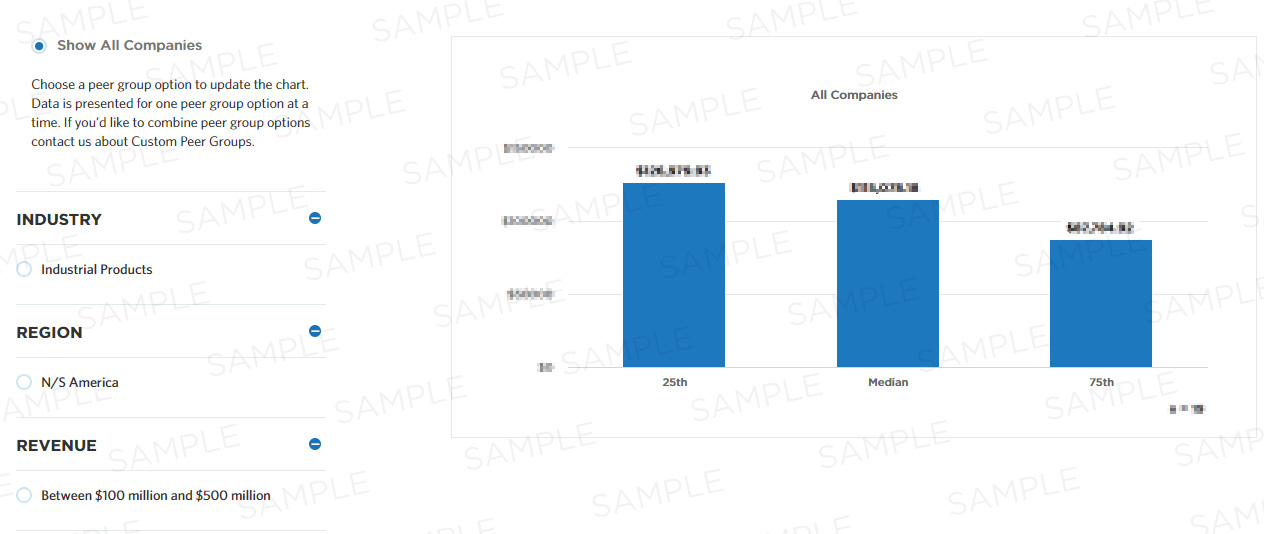
Sample image showing interactive filters for more detailed measure peer group data and an interactive graph.

Compute this Measure

Units for this measure are percent.

Back to Top

Percentage of inbound contacts that completed an additional cross-sell or up-sell

Key Terms

Back to Top

Process efficiency represents how well a process converts its inputs into outputs. A process that converts 100% of the inputs into outputs without waste is more efficient than one that converts a similar amount of inputs into fewer outputs.

Measure Scope

Back to Top

Cross Industry (8.0)

  • 3.5.4.1 - Accept and validate sales orders (10194) - Receiving and confirming orders from customers. Verify that no extra expenses have to be disbursed on part of the organization for labor or inventory when processing the order.
  • 3.5.4.2 - Collect and maintain account information (10195) - Collecting and maintaining all account information. Collect information about the purchase, servicing, return, and/or commitment of any products/services on part of the organization to its customers. Bring together information from various organizational divisions, and update periodically.
    • 3.5.4.2.1 - Administer key account details (10201) - Managing essential information of customer accounts.
    • 3.5.4.2.2 - Retrieve full customer details (10202) - Obtaining detailed information about customers.
    • 3.5.4.2.3 - Modify involved party details (10203) - Altering information about involved parties.
    • 3.5.4.2.4 - Record address details (10204) - Documenting address information.
    • 3.5.4.2.5 - Record contact details (10205) - Documenting contact information.
    • 3.5.4.2.6 - Record key customer communication profile details (10206) - Providing information about important business rules regarding communicating with customers.
    • 3.5.4.2.7 - Review involved party information (10207) - Revising information about involved parties.
    • 3.5.4.2.8 - Terminate involved party information (10208) - Dismissing information about involved parties.
  • 3.5.4.3 - Determine availability (10196) - Ascertaining the volume or scale of products/services to provide to customers to fulfill sales orders. Check the finished products stored in warehouses, the production capacity, and (in the case of services) the processing speed, as well as work force availability.
  • 3.5.4.4 - Determine fulfillment process (10197) - Devising a blueprint for order fulfillment. Create a schematic flow encompassing all activities to deliver orders to the customers. Outline a procedure for satisfying these orders by answering questions about what needs to happen in sequence to realize an order.
  • 3.5.4.5 - Process back orders and updates (10199) - Processing any unfulfilled orders, and updating the status of any orders that have been accepted and are being attended to. Deliver on any purchase orders that remain unserviced due to temporary unavailability of the product/service. Manage any updates to the sales orders. Revise their status in the order system.
  • 3.5.4.6 - Handle sales order inquiries including post-order fulfillment transactions (10200) - Attending to any queries received from the customers, even after a sales order has been serviced. Deploy ad hoc personnel for managing these enquiries.
  • 3.5.4.7 - Provide product tracking (11518) - Providing visibility into the status and progress of products associated with customer orders to support order fulfillment, customer communication, and issue resolution.