Net value of fixed assets as a percentage of gross value of fixed assets

This measure calculates net value of fixed assets as a percentage of gross value of fixed assets. A fixed asset is a long-term asset (e.g., property, plant, or equipment) not purchased or sold in the normal course of business but instead used by the company to generate revenue. This measure is part of a set of Supplemental Information measures that help companies evaluate additional variables not covered elsewhere for the "perform fixed-asset accounting" process.

Benchmark Data

Lock

Sorry! Not all users have access to all our resources. If you are not logged into your APQC account, please log in and try accessing again

Not a member yet? Members have access to all of our resources.

Learn about Membership Arrow with stem

Measure Category:
Supplemental Information
Measure ID:
100868
Total Sample Size:
412 All Companies
Performers:
25th Median 75th
- 63.8% -
Key Performance Indicator:
No

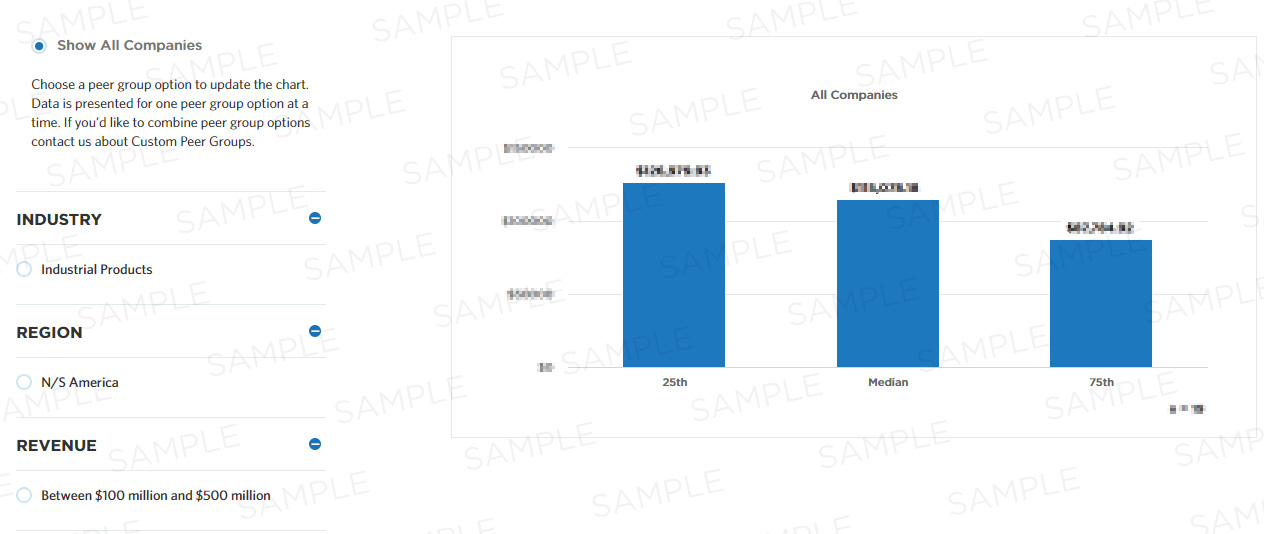
Sample image showing interactive filters for more detailed measure peer group data and an interactive graph.

Compute this Measure

Units for this measure are percent.

Back to Top

Key Terms

Back to Top

Supplemental information is data that APQC determines is relevant to decision support for a specific process, but does not fit into the other measure categories such as cost effectiveness, cycle time, or staff productivity.

Measure Scope

Back to Top

Cross Industry (8.0)

  • 9.3.3.1 - Establish fixed-asset policies and procedures (10828) - Creating rules for fixed assets market valuation. Make rules and regulations for fixed assets regarding depreciation, provisions, resale, usage, etc.
  • 9.3.3.2 - Maintain fixed-asset master data files (10829) - Keeping reports up-to-date regarding fixed assets. Create a fixed assets database detailing price, life cycle, depreciation rate, resale value, installation information, usage information, etc.
  • 9.3.3.3 - Process and record fixed-asset additions and retires (10830) - Keeping a summary of sales and purchases of assets. Record any expenses made for new assets purchased and sales of any old assets during the fiscal year.
  • 9.3.3.4 - Process and record fixed-asset adjustments, enhancements, revaluations, and transfers (10831) - Keeping a summary of expenses for installing and modifying assets. Record any expenses made for new assets purchased, any expenses incurred on improvements, the valuation of assets to reach current market price, and any transfer assets from one location to another during the fiscal year.
  • 9.3.3.5 - Process and record fixed-asset maintenance and repair expenses (10832) - Maintaining a record of expenses necessitated for repairs and the preservation of assets. Administer and oversee the maintenance and repair of any fixed assets. Record all related transactions.
  • 9.3.3.6 - Calculate and record depreciation expense (10833) - Carrying out accounting for depreciation over fixed assets. Compute the sums necessitated. Maintain a record of the cost value of fixed assets over their useful life in the book of accounts.
  • 9.3.3.7 - Reconcile fixed-asset ledger (10834) - Balancing the ledger account balance for fixed assets. Correct errors in the books of fixed assets. Provide correct information in relevant accounts.
  • 9.3.3.8 - Track fixed-assets including physical inventory (10835) - Checking and updating the record of all raw materials and fixed assets. Track all fixes asset. Maintain a record of all inventory items.
  • 9.3.3.9 - Provide fixed-asset data to support tax, statutory, and regulatory reporting (10836) - Showing market value and related expenses on fixed assets data for taxation. Provide complete information recorded in the books of fixed assets about purchase price, depreciation, installation charges, resale market value etc. for tax and regulatory purposes.