Let me know if this sounds familiar.
“We had a program in 2012. There was a lot of enthusiasm around getting our processes standardized. We documented all our process in Europe but could never get traction in the other regions. So, the program just fizzled. I mean we still have a few pockets of excellence, but it didn’t meet our initial goals. The good news is that we started refreshing the program last year. We have a new CEO and they really believe in how process can help us get a handle on our new ERP implementation and provide better customer service.”
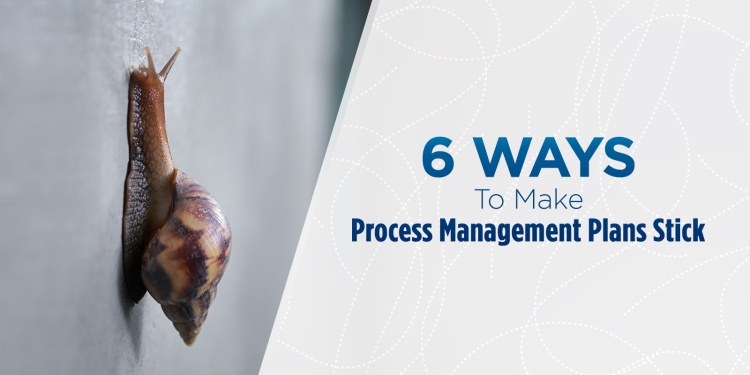
Process programs can get trapped in cycles of waxing and waning importance. However, though the perception of process’s value can shift, the actual need for its capabilities remain steady.
So, how do we make sure process maintains its status as an important function in our organizations?
By showing the efficacy of our programs and ingraining value at all levels of the organization.
What drives effective programs?
According to our analysis, there are several key practices that improve how effective organizations find their process programs.
- Bridge silos with end-to-end processes. Provides the ability to connect processes to customer value. Which in turn ensures everyone knows their role in the bigger picture, improves handoffs between groups, and that improvements are viewed holistically.
- Provide process definitions. Further supports standardization, because definitions create additional clarity on the scope of the process and remove the potential for misinterpretation.
- Connect processes to knowledge. Ensures people have the information they need, such as business rules, templates, policies, experts, and lessons learned. This elevates process from a standardization activity to one that improves the execution of work and speeds up onboarding.
- Embed process measures in employee performance management. Connects employees’ efforts with process outcomes, which builds buy-in and “what’s in it for me” for improvement efforts.
- Compare practices and performance against others. Benchmarking helps organizations create an objective foundation for decision making, context around performance, and identify new ways of working. Which means that process efforts are value driven and provide substantive results.
- Bake continuous improvement into your culture. The goal of process work is to improve how things get done. Organizations that empower employees to identify and improve their processes can broaden the scope and impact of process efforts and ensure the business takes accountability and ownership for the performance of their processes.
However, that only scratches the surface of what we can do to provide value and keep process programs top of mind in our organizations. Additional questions on value include:
- What are the right measures to track and promote our value?
- What’s the right ratio of resources to organizational FTEs?
- How many projects should we support?
- How does the focus of our program influence what practices are important for us to show value?
So How Does Your Process Program Stack Up?
Please help us understand business process management programs’ current practices, strategies, and resources and provide insights on these questions. As a token of appreciation, you will receive a copy of the survey summary report. Individual responses will be kept strictly confidential according to APQC's Benchmarking Code of Conduct.
For more process and performance management research and insights, follow me on twitter at @hlykehogland or connect with me on LinkedIn.