Organizations use process frameworks for a variety of reasons. Our recent survey found that organizations most often use frameworks for process discovery, performance improvement, and technology implementation. Process frameworks provide a ready-made library of processes and process definitions that help to turbocharge process management efforts. APQC’s Process Classification Framework (PCF)® is one example of a framework organizations can use.
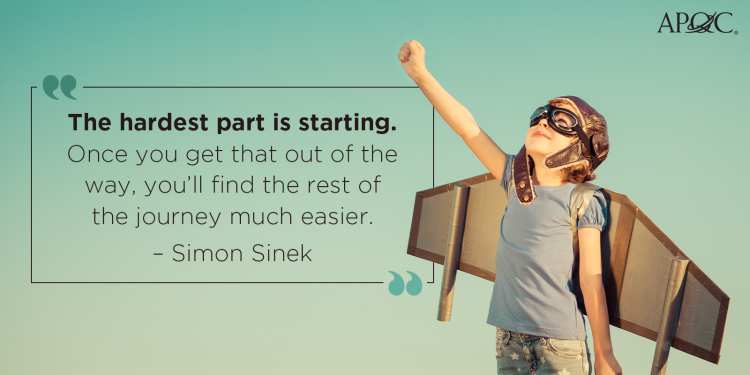
One of the biggest challenges organizations face when using a framework is much like Simon Sinek’s quote which states “the hardest part is starting”. Implementing a framework can seem like a difficult journey, but if you use the right selection criteria to pick your framework and get started with the right one for your organization, “you’ll find the rest of the journey much easier”.
What to consider when selecting a framework?
Organizations should choose a framework based on their strategic goals and business needs. In our recent survey, APQC found that organizations consider the following top five selection criteria:
- Includes suggested KPIs or measures
- Industry-specificity
- Availability of related materials
- Includes best-practices
- Breadth
Looking at the frameworks survey data from our past three surveys (2023, 2021, and 2019) there has been a shift in what organizations consider important for selecting the right framework. In 2019 and 2021, organizations were focused more on the breadth and depth of the framework; versus this year where organizations are more concerned with the suggested KPIs or measures and industry-specificity.
Considering the fast-paced ecosystems organizations operate in today, it’s best to have a jumping off point for getting started. Measuring performance and focusing on improvement are initial areas organizations should look at when selecting a framework to best fit their needs. Each section below dives into the top five selection criteria and why they’re important.
Criteria 1 – Includes suggested KPIs or measures
When a framework includes suggested KPIs or measures, it provides organizations with a reference to determine the “best-fit” measures to track the performance of their processes. Frameworks with built-in KPIs are also invaluable for benchmarking efforts, since they suggest standardized measures, so organizations are making apples-to-apples comparisons to understand their performance levels. Learn more on how to pick the right measures here.
Criteria 2 – Industry-specificity
Cross-industry content is valuable, and often leads to unexpected insights. However, some organizations might find cross-industry frameworks more difficult to apply due to nuances in processes by industry. View the cross-industry PCFs APQC has available here.
Criteria 3 – Availability of related materials
Often an organization is looking for a reference model that includes pre-defined collateral such as process maps, procedures, and training. In other words, the framework includes a “starter kit” so the organization doesn’t have to start from scratch.
Criteria 4 – Includes best practices
Knowledge content that is aligned to the processes in the framework provides easy-to-reference resources for organizations using the framework.
Criteria 5 – Breadth
This criterion is helpful because cross-functional frameworks help organizations understand the full value stream of their processes (inputs, outputs, and interdependencies) and indicate all relevant stakeholders, ultimately improving the organizations’ business process management capability. This criterion used to be number one but has moved down to number five this year.
In summary
Generally, when selecting a framework, you want to ask yourself these three questions:
- Does it have the level of detail I need?
- Does it include additional information I need for process work (e.g., measures or definitions)?
- Does it include all the functional and industry-related processes I am focused on?
The same framework is not the best-fit for each and every organization, thus choosing a framework should depend most on what the organization is trying to accomplish with its process management efforts.
To learn more
To learn more about how to select the right framework, join us for our August webinar on how organizations leverage process frameworks, and check out the content collections linked below:
- How to Apply Process Frameworks
- Best Practices in Process Frameworks 2023
- How to Use Process Frameworks (Case Studies)
Additionally, APQC offers self-paced, online training courses related to frameworks, including: