I bet that you suspect you are addicted. Just to be sure, answer the following questions honestly.
- Does your phone alert you when a text comes in?
- Do you usually check your phone when you are having a meal with others (friends or family)?
- Do you text more often than talk with friends?
- Do you text while walking?
- While waiting or alone, do you spend most of the time playing with your phone?
If you said “yes” to most of these, you are like the vast majority of Americans who think they are addicted to their phones. The truth is that you are not addicted: you simply have a bad habit.
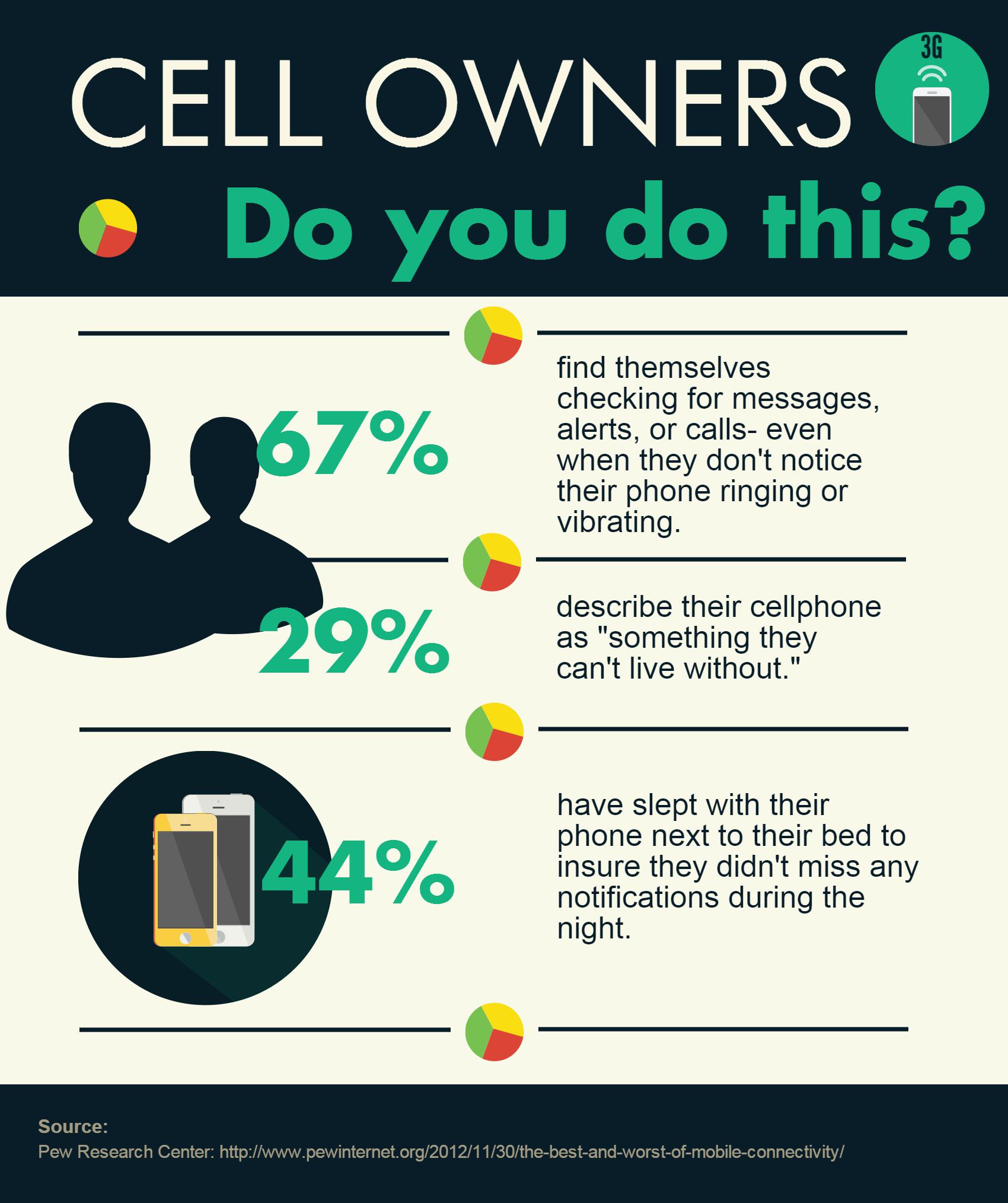 So what? You have nothing to worry about unless of course you would like to raise empathetic children, have meaningful relationships, or avoid dementia. If any of these are important to you, you might want to rethink your preference for the phone over people.
Or so says MIT researcher and media maven, Dr. Sherry Turkle. Dr. Turkle says that by calling it an addiction we are abdicating responsibility for the choices we make. We don’t want to admit that we have a preference for our phones over our friends, for texting over talking.
I recently spoke with Dr. Turkle as part of my Big Thinkers, Big Ideas interview series. Dr. Turkle has spent the last 30-plus years studying the psychology of people’s relationships with technology, especially their digital devices and life on the screen. She is most disturbed about what this is doing to our children.
Sherry: One 14-year-old boy said to me, “I want to raise my children not the way my parents raised me but the way my parents think they raised me.” He said his parents think they’re raising him in a house with conversation and with a sense of family community. The reality is that smartphones are usually out and being used at mealtimes and while the family is watching television together.
None of us want that for our children. I asked Dr. Turkle what we could do about it.
Sherry: We can begin by making new social rules for how we behave with our phones. Research shows that phones in classrooms distract students. We can begin by making classrooms device-free. In families, parents can step up rather than step back to the challenge of life in a digital age. There should be no devices in the kitchen, the dining room, and the car. Those places should be sacred spaces for conversation.
There is a disturbingly high cost to this pattern of behavior because it is through conversation, with each other, face-to-face, that empathy and intimacy are born.
There is hope. We can declare meals with friends device-free. If that doesn’t work, we can pay to attend “device free” family camps or download apps to keep us off our devices.
If that’s what it takes to go back to being a “human being” instead of a “human doing,” sign me up.
You can read my full interview Sherry Turkle and get more tips on how to have better conversations here.
Check out the rest of my Big Thinkers, Big Ideas interviews on APQC’s Knowledge Base.
Subscribe to the Big Thinkers, Big Ideas podcast on Itunes or on APQCPodcasts on Podbean.
You can connect with me on Twitter @odell_carla